Why Is Kota Brown Lapatro Stone a Distinctive Option for Natural Stone Flooring?
- by Sethi Stones
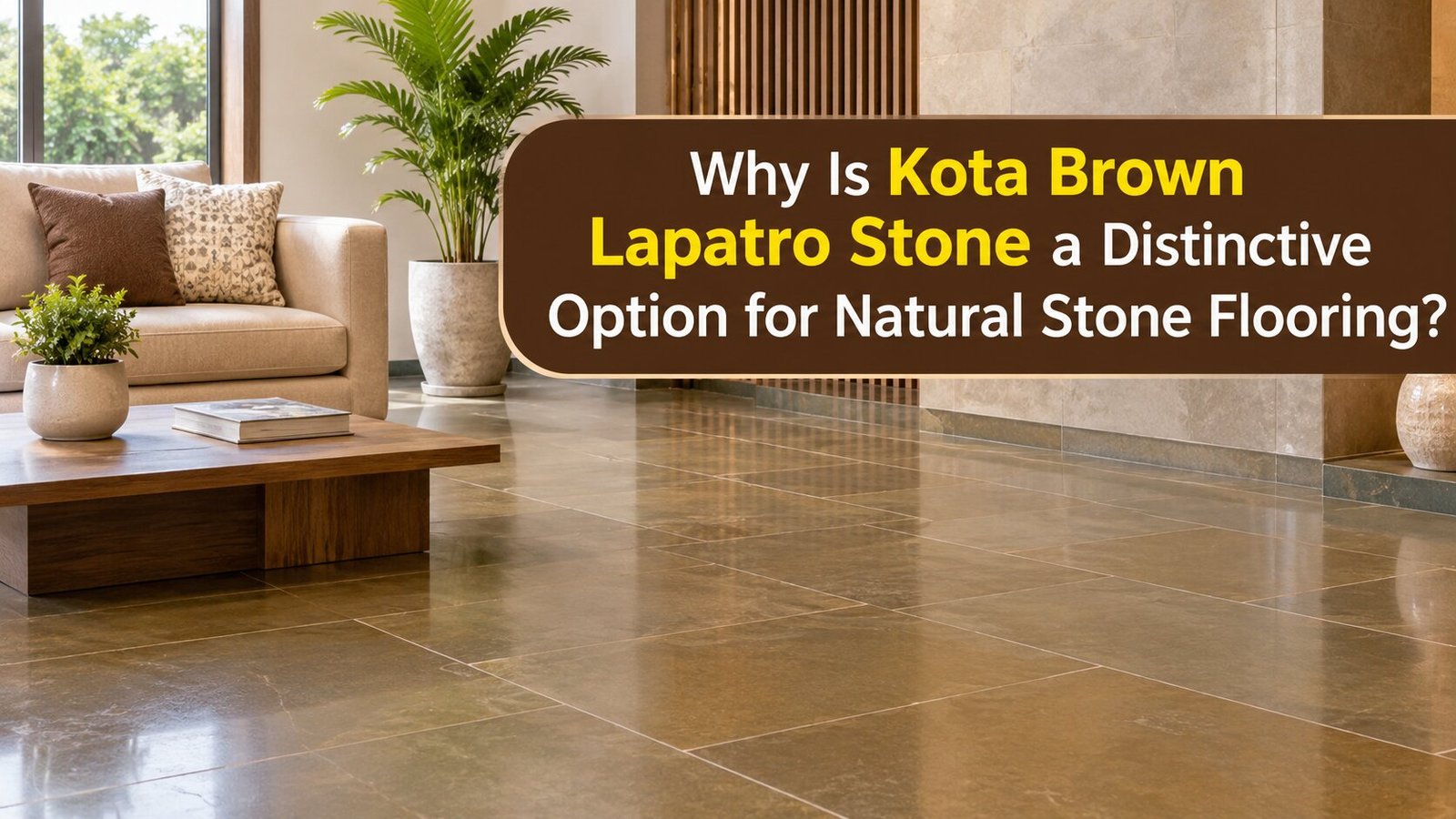
Natural stone flooring has remained a popular choice in residential, commercial, and outdoor construction because of its natural appearance, practical qualities, and timeless appeal. Among the different varieties available, Kota stone is widely recognised for its earthy colours, distinctive textures, and versatility. It is used in homes, offices, corridors, walkways, courtyards, and several other spaces where durable flooring is required.
Kota Brown Lapatro Stone is an appealing option for people who prefer warm, natural shades with a refined surface finish. Its brown appearance adds an earthy character to floors and complements different architectural styles. The lapatro finish also gives the stone a distinctive surface appearance, making it suitable for projects where natural beauty and practical flooring requirements are equally important.
Before selecting a natural stone for a construction project, it is useful to understand its appearance, applications, finishing, maintenance, and suitability for different spaces.
One of the most noticeable features of brown Kota stone is its natural earthy colour. Brown shades can create a welcoming atmosphere and work well with wooden furniture, neutral walls, traditional décor, and contemporary interiors.
Unlike flooring materials that have a highly uniform printed appearance, natural stone contains variations in shade and texture. These variations give each installation a distinctive character.
Brown flooring can be considered for:
The natural colour also makes it easier to coordinate flooring with different decorative elements. Whether a property has a traditional design or a modern layout, brown stone can provide a balanced visual foundation.
The finish of a natural stone plays an important role in its overall appearance. Lapatro finishing gives the stone a distinctive surface character and helps highlight its natural texture.
A properly selected finish can influence how flooring looks under natural and artificial lighting. It can also affect how the surface feels and how it performs in different environments.
When selecting Kota stone, buyers should examine the actual finish rather than relying only on photographs. Lighting conditions, surface preparation, polishing quality, and installation methods can influence the final appearance.
It is also important to discuss the intended application with the supplier. Flooring in a living room may have different finishing requirements from flooring in an outdoor walkway or frequently used commercial area.
Natural stone flooring is often selected for spaces that experience regular movement. Kota stone is commonly considered for residential and commercial projects because it offers a natural appearance and can be used in different architectural settings.
Brown Kota stone can be considered for homes, offices, educational buildings, hotels, shops, and other properties. Its earthy colour can help create a consistent look across large flooring areas.
For commercial properties, flooring selection should consider expected foot traffic, cleaning requirements, installation conditions, and the type of surface finish. For residential spaces, colour coordination, comfort, and overall interior design may receive greater attention.
Choosing the right thickness, size, and finish according to the project can help achieve a more suitable flooring installation.
Kota stone is available in different natural shades, allowing property owners and architects to choose according to their design preferences. Brown, honey, and yellow varieties each offer a different visual effect.
Kota Honey Lapatro Stone is an option for people who prefer warmer honey-toned flooring. Its colour can complement cream walls, wooden furniture, and traditional architectural elements. It can be considered for spaces where a lighter and warmer flooring appearance is preferred.
Kota Yellow Lapatro Stone offers a brighter colour impression compared with darker brown varieties. It can work well in areas where the design calls for a lighter natural stone appearance. The selection of yellow-toned stone can also help coordinate flooring with light-coloured walls and decorative features.
Brown varieties, on the other hand, are suitable for projects where deeper earthy shades are preferred. Comparing physical samples of all three varieties is a practical way to understand their colour differences before making a purchase.
Natural stone provides flexibility in flooring design because it can be installed in different layouts depending on the dimensions of the space and the selected stone size.
Some commonly considered layouts include:
The final layout should be planned before installation. Proper measurement, cutting, alignment, and joint spacing contribute to a neat and consistent flooring surface.
Selecting natural stone requires more attention than simply choosing a colour. Buyers should evaluate several factors to ensure the material suits their construction requirements.
Colour consistency: Natural stone can show variations in shade. Check multiple pieces together to understand the overall appearance of the available lot.
Surface quality: Examine the finish for visible cracks, unwanted marks, uneven areas, or defects that may affect the intended application.
Thickness: Select an appropriate thickness according to the installation location and project specifications.
Dimensions: Confirm the available sizes and check whether they match the planned flooring layout.
Quantity: Measure the total flooring area and include an appropriate allowance for cutting and wastage.
Supplier reliability: Choose a supplier who can explain the stone's characteristics, available finishes, specifications, and transportation arrangements.
These checks can reduce confusion during purchasing and help maintain consistency throughout the project.
Even a good-quality natural stone requires proper installation to achieve a satisfactory result. Incorrect surface preparation, uneven bedding, or poor alignment can affect the appearance and usability of the finished floor.
Before installation, the base should be properly prepared and checked for level and stability. Stone pieces should be arranged according to the planned layout, with attention to colour variations and dimensions.
Experienced installers can help with cutting, alignment, joint spacing, and finishing. After installation, suitable cleaning and finishing procedures should be followed according to the stone and installation materials used.
For larger projects, checking a small sample area before completing the entire floor can help confirm the expected appearance.
Regular maintenance is important for keeping natural stone flooring in good condition. Dust, dirt, and everyday stains can affect the surface if they are not cleaned properly.
Some useful maintenance practices include:
Cleaning requirements may vary depending on the finish, installation materials, and whether the stone has been treated. Following supplier recommendations can help maintain its natural appearance over time.
Choosing flooring involves balancing appearance, maintenance, application, and budget. Brown Kota stone can be a suitable option for buyers who want natural earthy colours and a distinctive stone finish.
Its versatility allows it to be considered for different types of properties, while the availability of other Kota stone shades provides additional design flexibility. Buyers can compare brown, honey, and yellow varieties to find a colour that complements their overall architectural plan.
However, the final selection should always be based on actual samples, material quality, installation requirements, and the intended use of the space. Consulting an experienced supplier and installer can make the decision-making process easier.
Kota Brown Lapatro Stone is a distinctive natural flooring option because of its earthy brown appearance, characteristic surface finish, and suitability for different architectural settings. It can complement traditional and contemporary spaces while offering flexibility in flooring layouts and design combinations.
Comparing it with Kota Honey Lapatro Stone and Kota Yellow Lapatro Stone can help buyers understand the available colour choices and select the most suitable option for their project. By checking stone quality, finish, dimensions, installation requirements, and maintenance needs, property owners can make a more informed flooring decision.
1. What is the Kota Brown Lapatro Stone used for?
It can be considered for residential flooring, commercial spaces, corridors, verandas, courtyards, and other areas where natural stone flooring is required.
2. What makes brown Kota stone different from other varieties?
Its earthy brown colour creates a warmer and deeper visual appearance compared with lighter honey and yellow varieties.
3. What is the difference between Kota Brown and Kota Honey Lapatro Stone?
The primary difference is their natural colour. Brown varieties offer deeper earthy tones, while honey varieties provide a warmer, lighter appearance.
4. Where can Kota Yellow Lapatro Stone be used?
It can be considered for residential and commercial flooring projects where a lighter yellow-toned natural stone appearance is preferred.
5. Is Kota Brown Lapatro Stone suitable for outdoor flooring?
It may be suitable for selected outdoor applications, depending on its finish, surface characteristics, installation method, and exposure conditions. A supplier should confirm its suitability for the intended location.
Contact us directly or drop us a mail and we will revert as soon as possible.
We fulfill the kota stones demand even to the remotest places of India..
Sethi Stones supplies Kota Stone from Rajasthan to residential, commercial and architectural projects across India and Nepal. Explore our location-specific pages for product availability, bulk requirements and supply information.

