Why Basalt Stone Is an Interesting Choice for Modern Paving Designs
- by Sethi Stones
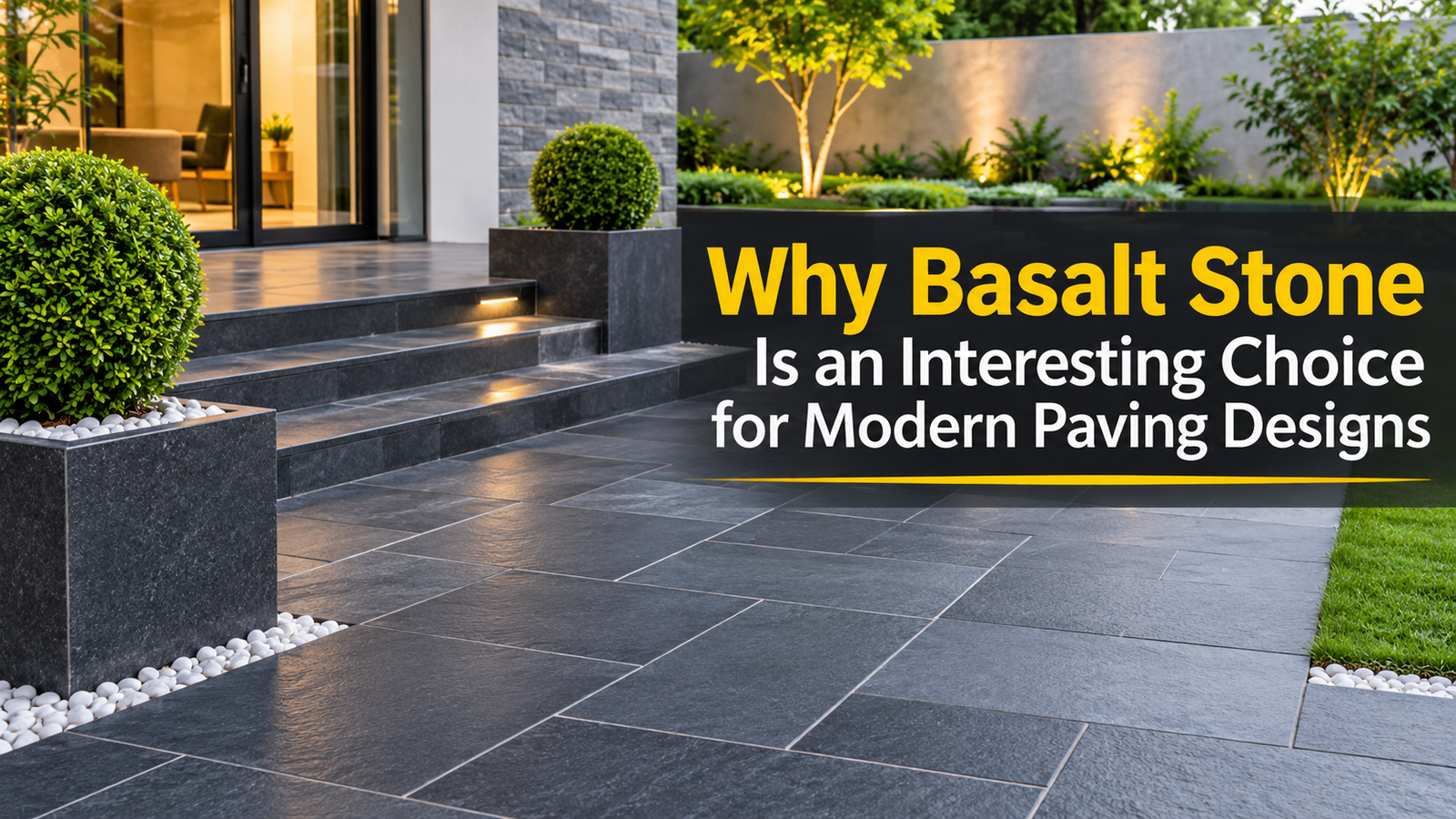
Choosing the right paving material is an important part of designing outdoor spaces. Whether it is a residential driveway, garden pathway, commercial entrance, courtyard, or public walkway, the flooring material should offer a suitable combination of durability, functionality, and visual appeal. Natural stones are often preferred for paving because they provide distinctive textures and can complement different architectural styles.
Among the various natural stones available, Basalt Stone has gained attention for its strength, dense structure, and contemporary appearance. Formed through the cooling and solidification of volcanic lava, basalt is an igneous rock known for its naturally dark shades and fine-grained texture. Its appearance makes it suitable for modern architectural designs, while its physical properties make it a practical option for several paving applications.
Understanding its characteristics, finishes, advantages, and maintenance requirements can help property owners, architects, and designers decide whether basalt is suitable for their projects.
Basalt is a natural volcanic rock formed when molten lava cools and solidifies at or near the Earth's surface. It is generally fine-grained because the lava cools relatively quickly, leaving small mineral crystals within its structure.
The stone commonly appears in shades of dark grey, charcoal, and black, although its exact colour can vary depending on its mineral composition and geological origin. Its relatively dense structure and natural appearance make it useful in construction, landscaping, paving, and architectural applications.
Unlike manufactured paving materials, natural basalt has variations in colour and texture. These differences give outdoor surfaces an individual appearance and allow designers to create spaces with a natural character.
Modern paving designs focus on clean layouts, practical surfaces, natural materials, and a balanced combination of colours and textures. Basalt can support these design preferences in several ways.
One of the important characteristics of basalt is its dense geological structure. Properly selected basalt paving products can withstand regular outdoor use and pedestrian movement.
This makes the material suitable for pathways, courtyards, garden areas, and certain commercial paving projects. Its suitability for vehicle traffic depends on the stone's thickness, quality, installation method, and expected load.
For long-lasting results, the paving material should be selected according to the specific requirements of the project rather than appearance alone.
Basalt is often selected for its dark and understated appearance. Its charcoal and grey tones create a modern look that works well with glass, metal, concrete, wood, and other natural materials.
Designers can use it to create visually balanced outdoor spaces without introducing overly decorative flooring patterns. It can also provide an attractive contrast against green lawns, garden plants, light-coloured walls, and exterior furniture.
Basalt paving is available in different surface finishes, depending on the processing method and intended application.
The right finish should be selected according to the location, expected foot traffic, exposure to water, and slip-resistance requirements.
Basalt paving can be used in various residential and commercial environments. Its colour and texture allow it to complement both minimalist and traditional landscape designs.
Common applications include:
For projects exposed to frequent moisture, choosing a properly textured finish and ensuring adequate drainage are particularly important.
The dark appearance of basalt makes it useful for creating contrast in architectural designs. It can be combined with lighter paving stones, concrete surfaces, wooden features, and decorative landscape elements.
For example, dark basalt pathways surrounded by green plants can create a clean and organised garden layout. Similarly, combining basalt paving with light exterior walls can produce a balanced visual effect around residential buildings.
Its neutral colour palette also makes it easier to coordinate outdoor flooring with different architectural materials.
The appearance of basalt can change significantly depending on the layout, stone dimensions, finish, and surrounding landscape.
Large basalt slabs create a neat and spacious appearance. They are particularly useful for modern patios, courtyards, and commercial entrances where designers prefer fewer visible joints.
Proper base preparation and installation are important to prevent uneven surfaces and movement.
Long rectangular basalt pieces can be arranged in straight or staggered patterns to create attractive garden pathways. This design works well with contemporary landscaping and minimalist outdoor spaces.
Basalt can be combined with lighter natural stones to create borders, geometric layouts, and decorative paving patterns. The contrast between dark and light surfaces adds visual interest without requiring complicated designs.
For projects that use traditional decorative elements, materials such as Kota Stone can also be explored alongside darker natural stones to create distinctive flooring combinations.
Basalt paving can provide a consistent flooring surface for outdoor seating areas. Its natural dark shades complement outdoor furniture, planters, wooden pergolas, and modern lighting arrangements.
The selected surface finish should be suitable for the area's exposure to rain and regular use.
Different natural stones offer different visual and functional characteristics. Comparing them helps buyers select a material that matches their project requirements.
Both basalt and granite are natural igneous rocks, but they differ in appearance and mineral composition. Basalt generally has a finer-grained and darker appearance, while granite often contains visible mineral grains and comes in a wider range of colours.
Both can be used in paving applications when the correct grade, thickness, and finish are selected.
Sandstone is a sedimentary rock available in many colours and natural textures. It is often used in garden pathways, patios, and landscaping projects.
Basalt generally offers a denser structure, while sandstone can provide a warmer and more varied natural appearance. The right choice depends on the design, exposure conditions, and maintenance expectations.
Kota Stone is a popular natural limestone widely used for flooring, pathways, and outdoor areas. It is generally available in shades such as blue, brown, and greenish grey, depending on the variety.
Basalt offers a darker volcanic appearance, whereas Kota stone provides a more traditional natural stone look. Both materials can be considered for different paving requirements depending on their finish, thickness, installation, and intended use.
Yes. Modern paving projects do not always depend on a single stone variety. Combining different natural materials can create unique patterns and improve the visual appearance of outdoor and indoor spaces.
For example, decorative borders, geometric patterns, and contrasting stone arrangements can be used to distinguish entrances, courtyards, and pathways.
Kota Stone Brass Inlay is another decorative flooring option that combines natural stone with brass detailing. It can be considered for projects where traditional craftsmanship and contemporary design elements are brought together. While basalt can provide a bold background in selected design concepts, the suitability of combining different stones and inlay materials depends on the project's layout and installation requirements.
Before purchasing basalt for a paving project, buyers should evaluate several practical factors.
1. Stone Quality: Check the consistency, density, surface condition, and overall quality of the supplied material.
2. Thickness: Select the appropriate thickness according to whether the area will experience pedestrian movement, vehicle traffic, or other loads.
3. Surface Finish: Choose a finish suitable for the location. Outdoor areas exposed to rain generally require careful attention to slip resistance.
4. Colour and Texture: Natural stones may show variations between pieces. Review samples or multiple slabs before finalising the selection.
5. Installation Requirements: Proper base preparation, suitable bedding material, joint spacing, and drainage contribute to long-term paving performance.
6. Supplier Reliability: Choose a supplier who can provide accurate product information, suitable dimensions, quality consistency, and guidance about installation.
Although basalt is a durable natural material, regular care helps maintain its appearance and surface condition.
The maintenance routine may vary according to the stone finish, installation location, and environmental conditions.
Basalt is an interesting natural stone option for modern paving because of its dense structure, dark colour palette, and availability in different surface finishes. It can complement contemporary architecture and create attractive pathways, patios, courtyards, and selected commercial outdoor spaces.
Its performance depends on proper material selection, suitable thickness, surface finish, installation quality, and regular maintenance. Comparing basalt with other natural materials such as granite and Kota stone can help property owners make informed decisions.
Whether the project involves a simple garden pathway or a large commercial outdoor area, selecting the right natural stone can improve both the functionality and appearance of the space.
1. What is Basalt Stone commonly used for?
Basalt is commonly used for outdoor paving, garden pathways, patios, courtyards, landscaping, building cladding, and selected architectural applications.
2. Is basalt suitable for outdoor paving?
Yes. Properly selected basalt paving products can be suitable for outdoor use. The correct thickness, surface finish, drainage, and installation method are important for performance.
3. What colours are available in basalt stone?
Basalt commonly appears in dark grey, charcoal, and black shades. Its exact colour may vary depending on its mineral composition and geological source.
4. Which basalt finish is suitable for outdoor paving?
Flamed, bush-hammered, and certain natural split finishes may be suitable for outdoor paving because they provide textured surfaces. The final selection should consider slip resistance and site conditions.
5. Is basalt better than granite for paving?
Both materials can work well for paving. Basalt generally offers a fine-grained, darker appearance, while granite provides more visible mineral patterns and colour variations. The better option depends on the design and application.
Contact us directly or drop us a mail and we will revert as soon as possible.
We fulfill the kota stones demand even to the remotest places of India..
Sethi Stones supplies Kota Stone from Rajasthan to residential, commercial and architectural projects across India and Nepal. Explore our location-specific pages for product availability, bulk requirements and supply information.

